For a detailed, multi-colour design or a short run, choose DTF. For a simple logo in one to three colours on a large order, a screen method usually costs less per shirt. Choose silicone, which is itself applied through a screen, when you want a soft, flexible print that moves with sportswear or stretch fabric.
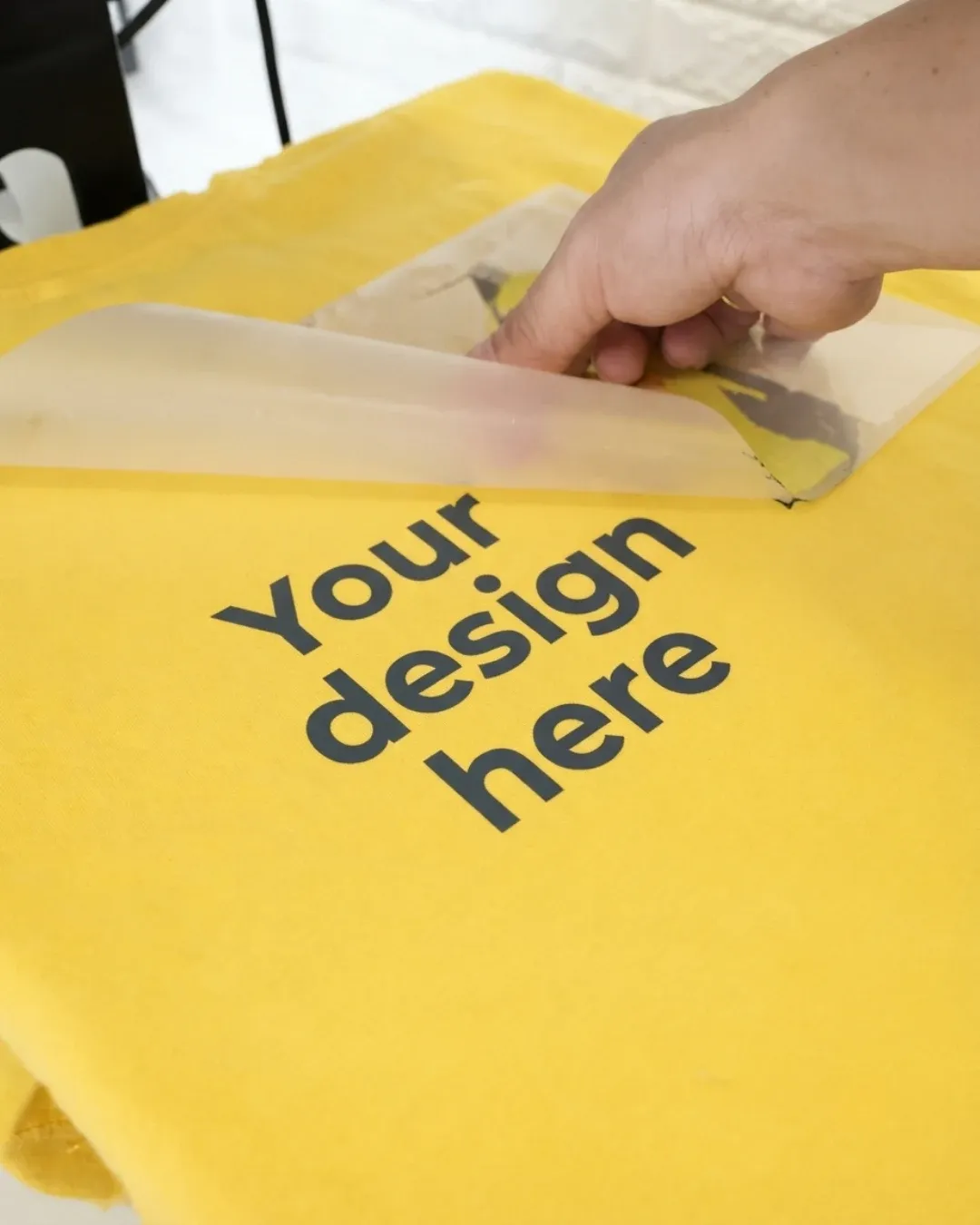
The names cause confusion, so it helps to separate them. Screen printing is a process: ink is pushed through a mesh stencil, with one screen for each colour. Silicone printing uses that same process with silicone ink instead of a conventional ink such as plastisol or water-based. DTF, or direct to film, is a different process altogether: the design is printed digitally onto film, coated with adhesive powder, then heat-pressed onto the garment.
How the three compare
- Setup: screen and silicone need a screen per colour, so each extra colour adds setup. DTF needs no screens, so a design with ten colours sets up much like a design with two.
- Cost at volume: with screens, setup is spread across the order, so the cost per shirt falls as quantity rises. DTF costs depend more on printed area, so savings at volume are smaller.
- Artwork: DTF handles photos, gradients and small multi-colour details well. Screen methods are at their strongest with solid colours and clean shapes. Halftones can suggest gradients, but they need skilled preparation.
- Feel: water-based ink feels closest to the fabric on light cotton. Silicone feels smooth and rubbery. Plastisol and DTF sit on the surface, and large solid areas of either can feel heavier and breathe less.
- Fabrics: DTF works on cotton, polyester and many blends, which helps with mixed orders. Silicone suits performance and stretch fabrics. Heat-sensitive or coated fabrics need testing with any heat-cured or pressed method.
Match the method to the job
- A staff or event shirt with a one-colour logo, in large numbers: a screen method.
- A small merchandise run with a full-colour illustration: DTF.
- Several designs or sizes in small quantities each: DTF, since there are no screens to change.
- Running or gym kit where the print must stretch: silicone.
- Individual names or numbers added to a screen-printed batch: combine the two, with screen for the main design and DTF for the personalised part.
Questions to ask before you decide
How many colours are really in the artwork? A design with a soft shadow may count as many colours, or may not be printable by screen at all. Simplifying it can change the best method and the price.
Will you reorder? With screens, repeat orders of the same design can be simpler and more consistent, depending on whether screens are retained. With DTF, reprinting a small quantity is straightforward, so you can order closer to actual demand instead of holding stock.
How big is the print? A chest logo is forgiving under any method. A large solid print on a back panel is where feel and breathability start to matter, particularly in summer heat. On DTF, breaking a large solid block up with gaps or texture makes it lighter.
What colour is the shirt? Printing on dark fabric needs a white layer or an opaque ink. DTF includes the white layer as standard. On dark polyester, dye from the fabric can migrate into light print areas under heat, so ask for a test on that exact garment.
Durability and care
All three can last well when correctly cured or pressed, and all three fail when they are not, so production quality matters as much as the method. Results also vary with fabric and washing. For any method, wash inside out in cool or warm water, avoid bleach, and never iron directly on the print.
For a large order, ask for a sample on your actual shirt and wash it several times before you approve the run. Check for cracking, peeling and colour transfer.
What we run
Our Riyadh factory runs automatic silicone screen printing and DTF, so we can compare both for your design and quantity. If you specifically need a conventional plastisol or water-based print, ask us first and we will tell you what is possible. Send your artwork, shirt type and quantity for a free design consultation. Standard orders typically take 2-5 business days plus delivery, with rush on request.
DTF (direct-to-film) printing transfers full-colour designs from a printed film onto fabric using heat. Textile Printing KSA runs DTF in-house in Riyadh for brands, retailers and businesses that need detailed artwork or smaller quantities, with delivery across Saudi Arabia and free design support.